Is The Blood of Dawnwalker Open World?
Yes—here is how Vale Sangora exploration, region control, discovery, day/night access and the narrative sandbox actually work.
It is a true open-world RPG, but its identity comes from selective, time-priced story commitments rather than clearing every icon on a checklist.
A hand-crafted narrative sandbox
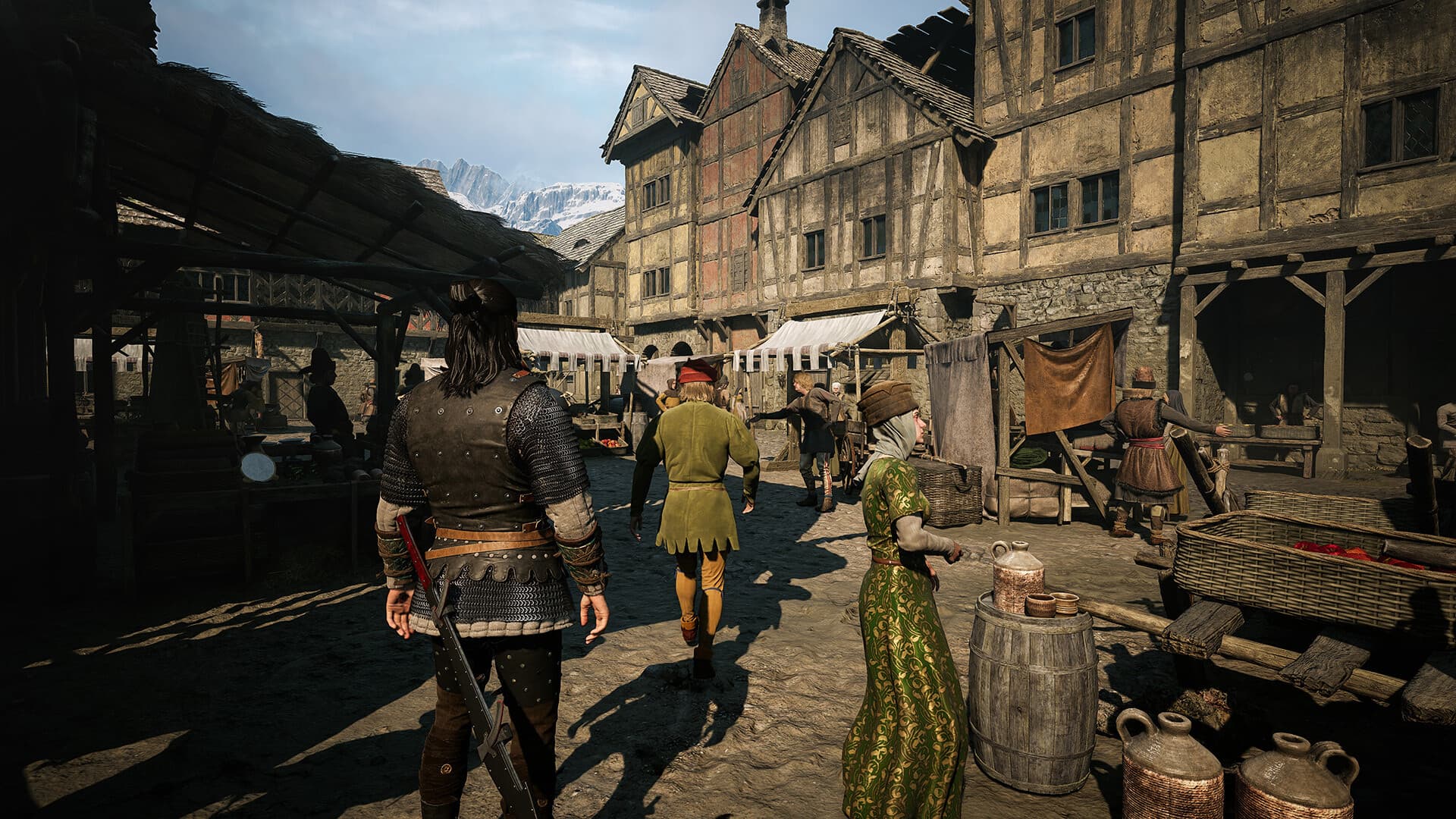
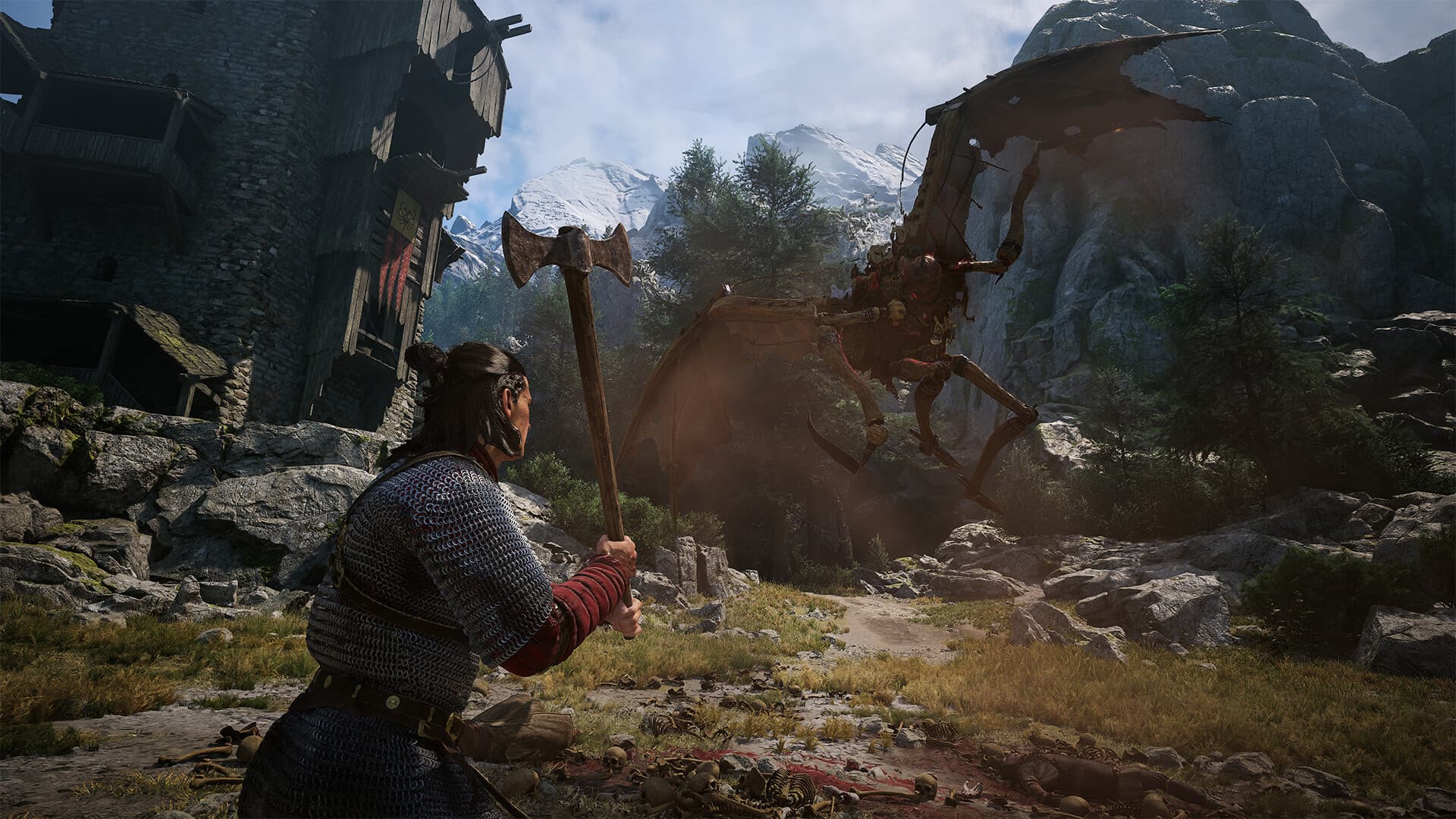
Vale Sangora combines forests, plains, swamps, mountains, medieval settlements, ruins and underground spaces in one explorable landmass. The map is visible, while activity types are discovered through towers and proximity.
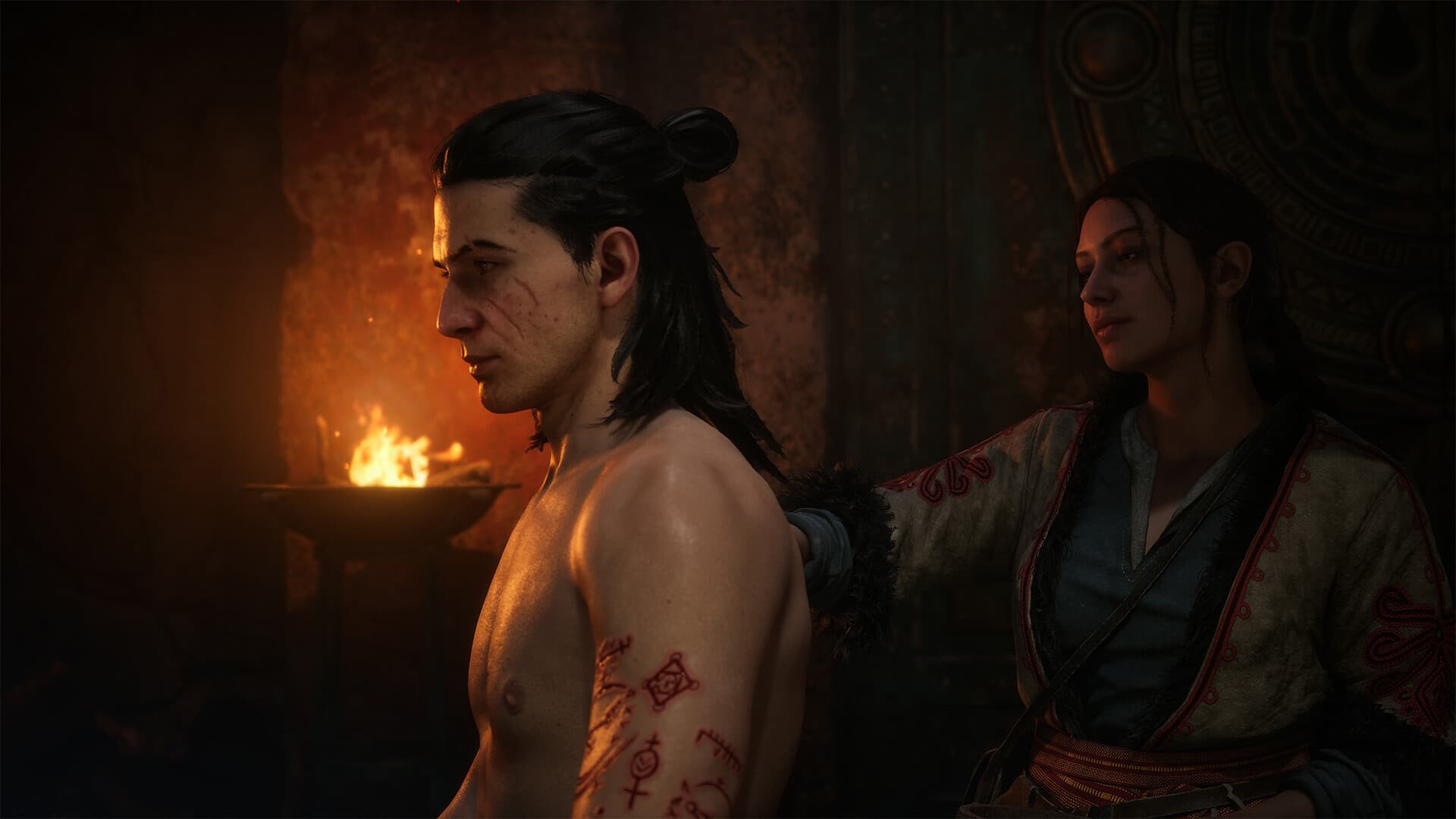
The open structure applies to narrative order as well. Coen can prepare, seek alliances, damage the vampire court, or push toward Brencis much earlier than a conventional chapter-based RPG would allow.
What makes the world reactive
- Actions and ignored opportunities can both alter later circumstances.
- Court pressure raises Infamy and introduces hostile Edicts.
- Some quests, vendors and routes are tied to day or night.
- Coen's human and vampire abilities create different solutions to the same geography.
- The deadline means not every storyline is designed to fit naturally into one run.
What it is not
It is not an endless sandbox, a mounted traversal game, or a map where every activity is labeled from the opening minute. The world is deliberately bounded, and its density supports replayable quest choices rather than sheer square mileage.
Sources & editorial note
This page synthesizes the cited material in original wording. Dynamic details can change after patches; follow the linked source for its latest record.