The Blood of Dawnwalker Beginner Guide
A spoiler-light first-hours guide to time, day and night forms, combat, progression, exploration, and the mistakes that cost new players most.
Treat time as a currency, not a countdown. Explore before committing, save often, and build separate plans for Coen's human and vampire forms.
The 30-day clock is not real time
The central deadline sounds harsher than it is. Walking, scouting and ordinary exploration do not continuously drain the calendar. Time advances when an action shows an hourglass cost: major quest steps, certain dialogue choices, learning some skills, or other explicit commitments.
Each date is split between day and night. Think of those segments as a limited quest budget. Before accepting a costly step, inspect nearby objectives, decide whether your current form is suited to the job, and make a manual save.
Build two versions of Coen
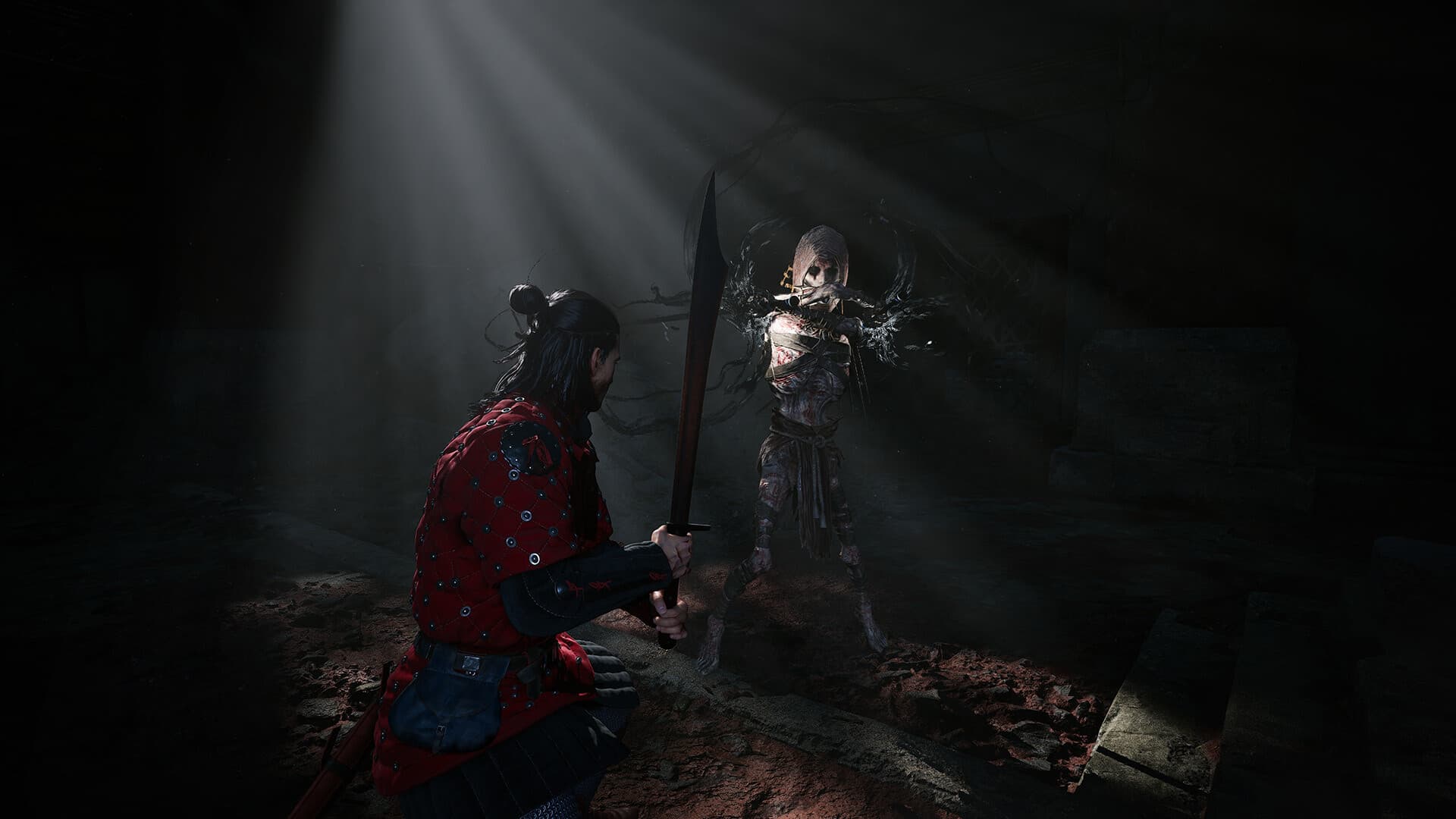
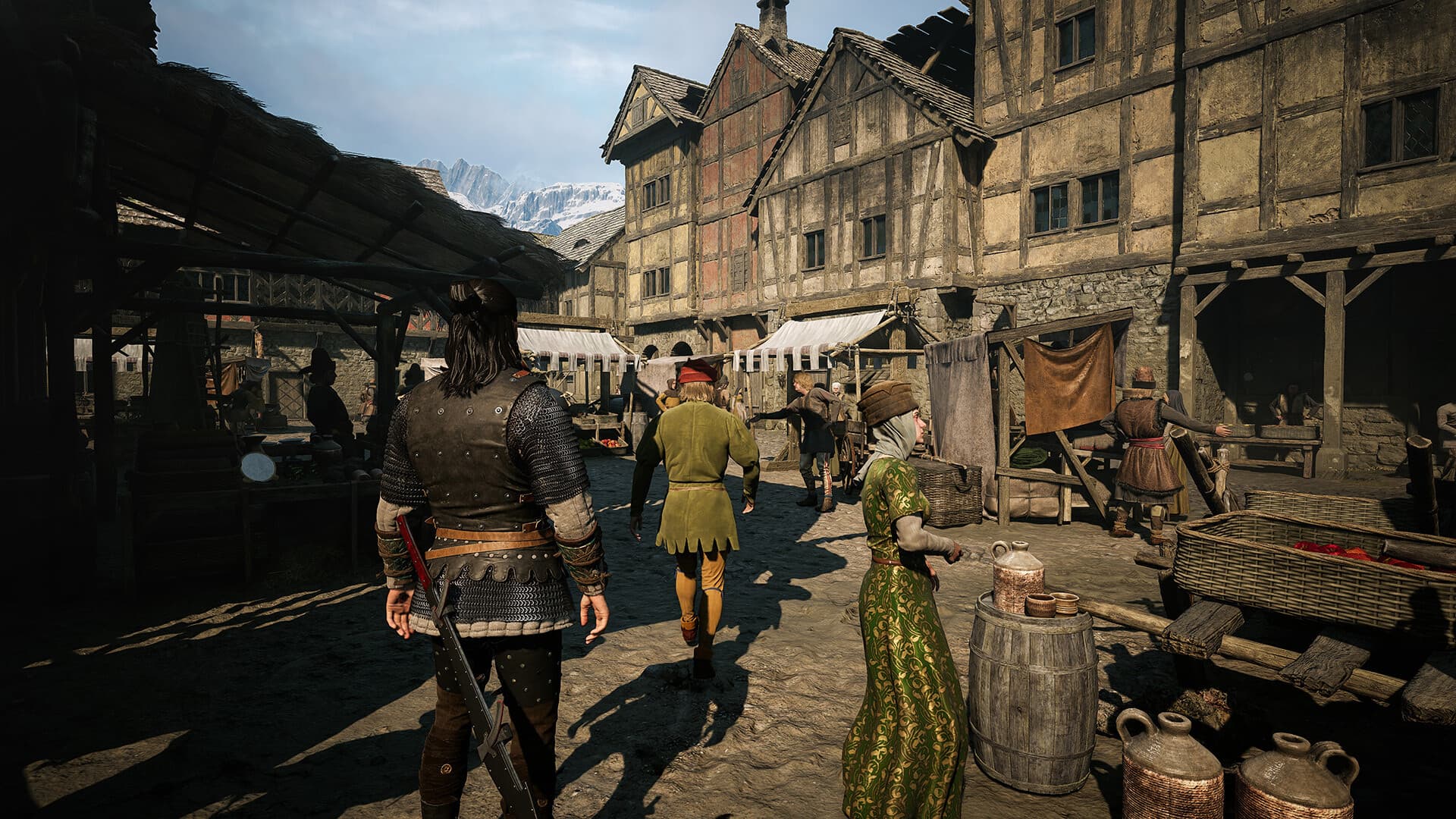
Some quests and vendors are available only in one half of the cycle. A blocked route in daylight may become straightforward after sunset, while a human conversation can be safer before Coen's hunger becomes a problem.
| Day — Human | Night — Vampire | |
|---|---|---|
| Core tools | Swordplay and Witchcraft | Claws, fangs and vampiric powers |
| Healing | Food and human supplies | Blood drain and blood vials |
| Traversal | Grounded exploration; later speed magic | Vertical routes, rooftops and supernatural movement |
| Best use | Preparation, towns and human-facing quests | Infiltration, feeding and aggressive encounters |
Learn direction before chasing damage
- Blocking without matching the incoming direction consumes more stamina.
- A correctly timed directional defense creates better counterattack windows.
- Omni-attack and omni-block are accessible fallbacks, but the stamina cost rewards precise play.
- Crowds expose the lock-on camera. Reposition instead of trying to hold one angle against every attacker.
- Use quicksaves before open-world encounters; free-roam autosaves are not a substitute for manual control.
Three trees, three progression rules
Swordmastery, Witchcraft and Vampirism do not all grow in the same way. Standard levels provide conventional skill points, Witchcraft is tied to its own discoveries, and deeper vampire growth depends on Corruption earned through feeding.
Many abilities also require a Manual before points can unlock them. That makes exploration part of character building: a good Manual can change the value of your next several upgrades.
- Prioritize a mobility option early; there are no rideable mounts.
- Do not spend every point immediately if an upgrade consumes a time segment.
- Keep separate quick-slot plans for day and night.
- Upgrade a few reliable tools before spreading points across every branch.
A safe opening route
- 01
Finish the prologue carefully
Read every time-cost warning and prepare Esme's medicine correctly: hot water with three spoonfuls of herbs.
- 02
Create a rotating save archive
Use a fresh manual slot at the start of each in-game day and another before major decisions.
- 03
Reveal the world
Climb the 11 towers at night, when vampiric movement makes the routes easier, to reveal points of interest.
- 04
Level in the north first
Early northern activities are safer. Treat red-skull enemies as a firm warning to return later.
- 05
Advance the Court deliberately
Once your build feels stable, use Court Activities to draw out Ambrus, Bakir and Xanthe.
Sources & editorial note
This page synthesizes the cited material in original wording. Dynamic details can change after patches; follow the linked source for its latest record.